1. Market Overview & Economic Context
- The textile and apparel sector is still the backbone of Pakistan’s exports. In FY 2025, textile exports rose to USD 17.88 billion, up ≈ 7.39% from the previous year. Kohan Textile Journal
- Ready-made garments, knitwear, bedwear and towels are among the stronger sub-segments. Readymade garments, for example, surged by ~15.85%. Kohan Textile Journal
- The government has proposed a roadmap to strengthen textile industry competitiveness (focusing on value-added exports, R&D, MSMEs, sustainability) to meet global standards. Pakistan Today Profit
- Despite growth, there are structural challenges: cotton/yarn/cloth production remain volatile; energy, cost of raw inputs, and non-tariff barriers still restrict potential.
2. Key Fashion & Design Trends in 2025
Several overlapping trends are defining what people wear, what designers produce, and how fashion is consumed in Pakistan this year.
a. Fusion of Tradition + Modern
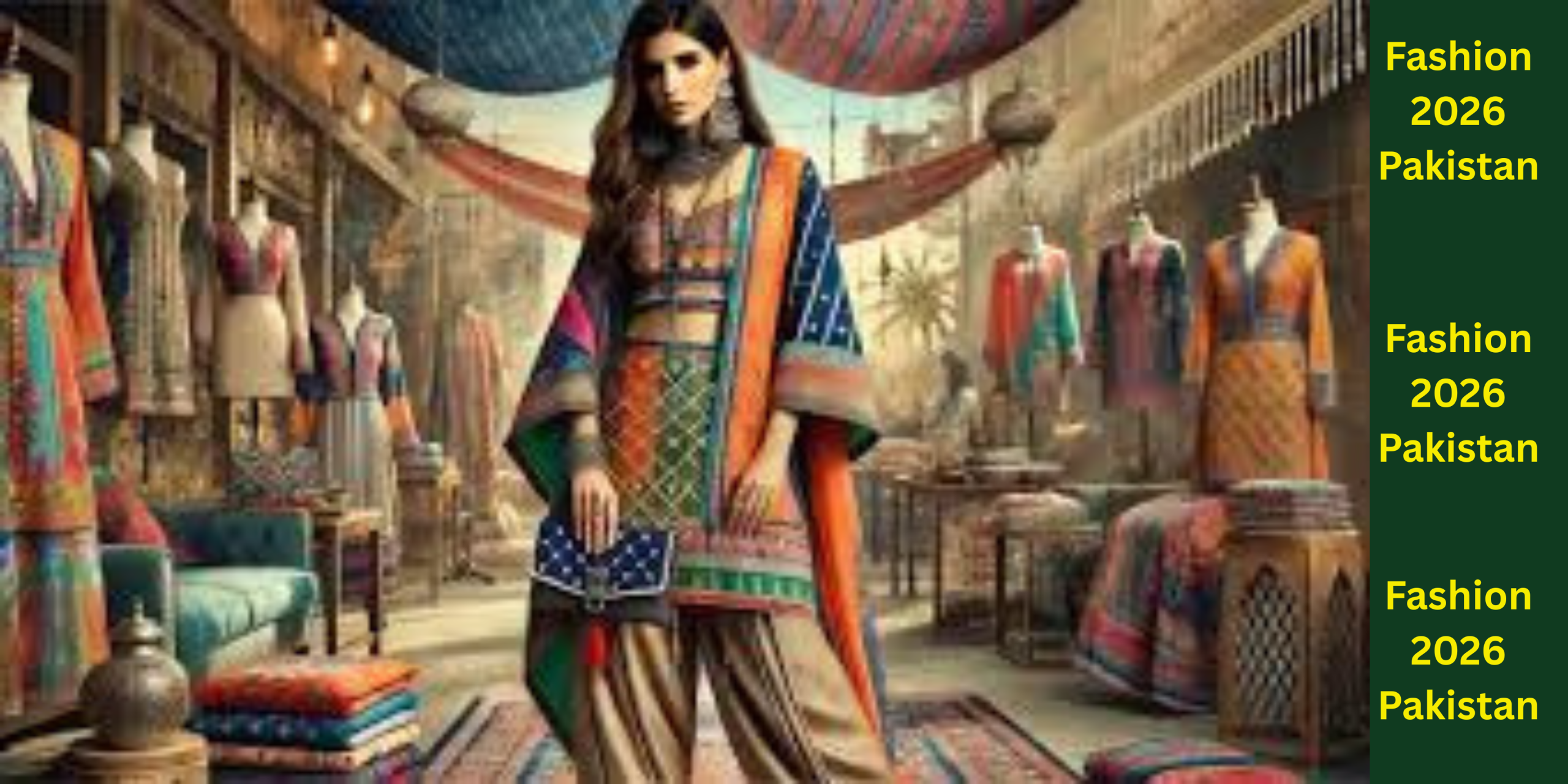
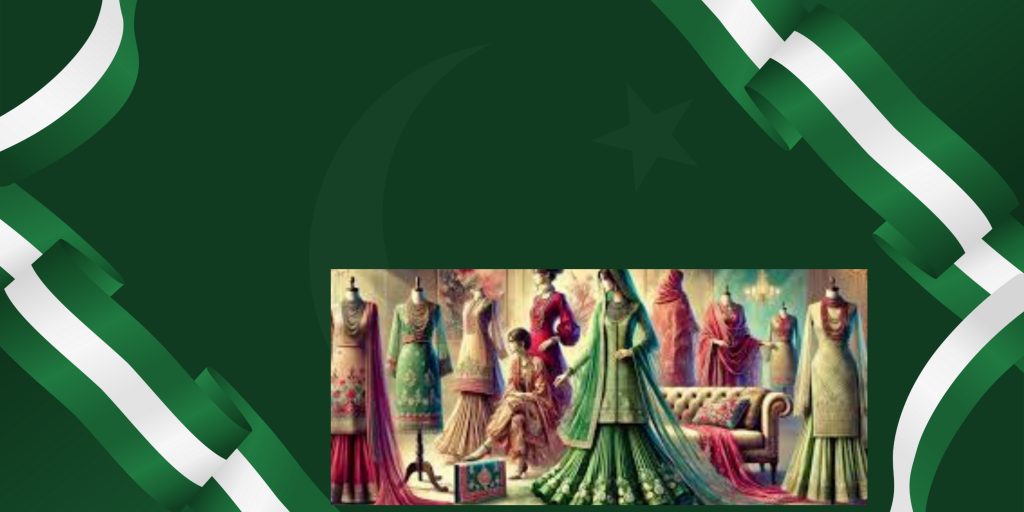
- Designers are bringing back classic ethnic silhouettes—gharara, sharara, angrakha, farshi shalwar—but reinterpreted with modern cuts, lighter fabrics, contemporary detailing. AajPakistan+2H! Pakistan+2
- Traditional hand work (zardozi, chikankari, gota, mirror work, block printing) is being integrated in “daywear” or semi-formal wear instead of purely bridal/formal usage. Sunday+3AajPakistan+3H! Pakistan+3
b. Color & Fabric Preferences
- There’s a clear shift toward muted earth tones: clay, rust, olive, sage, dusty beige and pastels such as dusty pink or mint. fashionwithramesa.blogspot.com+3Naya Dour+3Kahani47+3
- Fabrics that breathe—cotton, linen, lightweight chiffons, georgettes, organza—for comfort, especially in warmer months. Sunday+2H! Pakistan+2
c. Statement Elements & Silhouettes
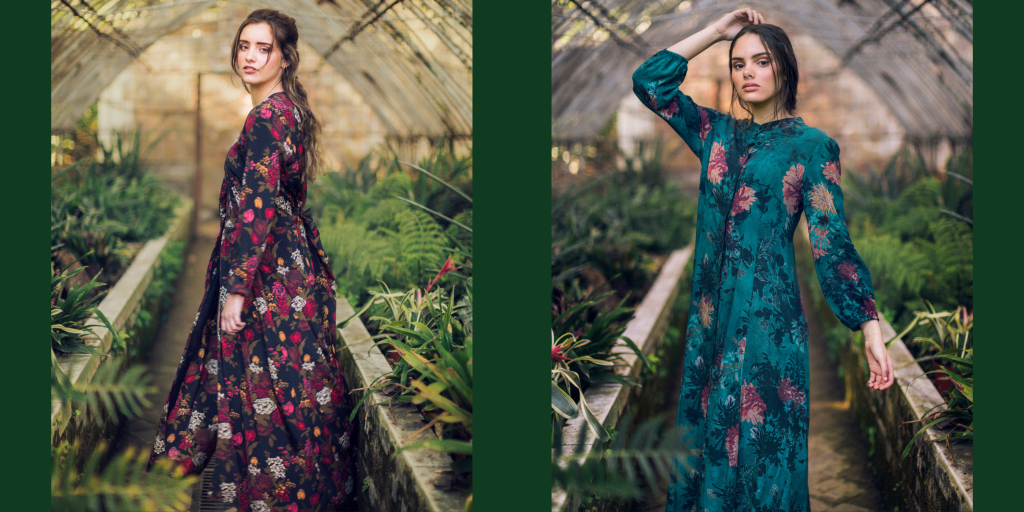
- Bold sleeves (balloon, puffed, structured shoulders) are highly visible. The Indus Examiner+2life.brandly.pk+2
- Silhouettes are fluctuating between voluminous (wide-pants, flared shalwar, long & flowy cuts) and sharp/structured (blazer-kurtas, tailored cuts). AajPakistan+2life.brandly.pk+2
d. Fusion & Street / Casual Style
- East-meets-West styles are thriving: kurtas with jeans, jackets over ethnic wear, crop tops mixed with traditional fabrics. The Indus Examiner+3Naya Dour+3AajPakistan+3
- Coordinated two- or three-piece sets (matched tops, bottoms, dupattas etc.) are popular for semi-formal and casual wear. FarinaZ+1
e. Bridal / Festive Wear
- Highly embroidered dresses continue to be in demand for weddings. But there’s also a move toward lighter embellishment, pastel shades, and more wearable luxury (rather than ultra-heavy traditional bridal wear). makinguturn.com+1
f. Sustainability & Ethical Fashion
- Growing awareness among designers and consumers about environmental impact. Use of organic cotton, recycled materials, natural dyes, and local crafts. AajPakistan+2Vipon+2
- The government’s roadmap includes sustainability frameworks and support for eco-friendly production. Pakistan Today Profit
g. Inclusivity & Gender Fluid Styles
- More gender-neutral or unisex pieces—oversized tunics, co-ords, looser silhouettes that blur strictly male/female lines.
3. Leading Brands & Players
Some brands are particularly influential in shaping 2025’s fashion scene, combining commercial success with trend-setting.
- Khaadi: Continues to blend heritage (handwoven, block prints, mirror work) with strong retail presence and global reach. Their “Weave Revival” collections accentuate this heritage plus modern design. Brandsynario+1
- Sapphire: Known for accessible luxury, minimalist design, pastel-dominant palettes. Its seasonal collections (e.g. “Serenity”) are resonating with urban shoppers. Brandsynario+1
- Sana Safinaz: High demand especially in formal & semi-formal wear; the luxury lawn / formal lines get heavy pre-orders. Simaals
- Gul Ahmed: Maintaining legacy while reaching younger audiences; capsule collections, digital campaigns, prêt-a-porter, and leveraging their strengths in fabrics & range. Simaals+1
4. Challenges
While the fashion industry shows strong creative trends and increasing demand, several obstacles persist.
- Raw material cost volatility: Cotton prices, energy, and import duties affect pricing and margins. Dawn+1
- Production inefficiencies: Lack of consistent quality across small manufacturers, dependence on manual craft for many processes, which is labor-intensive and slower.
- Market fragmentation: Differences in tastes across regions (Lahore vs Karachi vs smaller cities), and the challenge of serving both high-end/formal and low/mid income markets profitably.
- Sustainability vs cost trade-offs: Eco-friendly materials and processes often cost more, which can raise retail prices in a price-sensitive market.
- Export challenges: Non-tariff barriers, compliance with international labor and environmental standards, competition from low-cost manufacturing countries.
5. What’s Driving Change
Understanding the forces behind these trends helps see where fashion in Pakistan is headed.
- Consumer preferences shifting: Younger consumers (Gen Z, millennials) care more about comfort, authenticity, sustainability, and style that blends tradition + global fashion cues.
- Digital & social media influence: Instagram, TikTok, and local influencers are accelerating trend cycles. Designs that “look good in photos/videos” are increasingly important.
- Rise of e-commerce & retail modernization: Brands expanding online, more ready-to-wear and seasonal capsule drops, digital marketing, and omni-channel retail.
- Government/industry support: Policies targeting value-added exports, R&D, and sustainability; focus on improving cotton yields, supporting MSMEs. Pakistan Today Profit
6. What to Expect Next
Looking ahead, here are predictions for where Pakistan’s fashion industry may go in the near future:
| Trend | Likely Developments |
|---|---|
| Sustainability & Ethical Fashion | More brands will certify sustainable practices, invest in waste reduction, recycled fabrics, and supply chain transparency. Eco-labels will become a selling point. |
| Technical & Smart Textiles | Growth of fabrics with functional properties (UV-protection, moisture-wicking, temperature regulation) especially for summer wear. |
| Cross-border & Global Collaborations | Increasing collaborations between Pakistani designers and international labels; greater export of designer wear to diaspora markets. |
| Customization & Handcrafted Feel | Even in ready-to-wear, demand for handcrafted, limited-edition items will rise. Artisanal crafts will be showcased more; consumers may pay premiums for “storytelling” behind products. |
| Diversification of Price Points | More mid-luxury brands and mid-market pret offering high design value at moderate prices. Budget fashion will remain but with more competition. |
| Digital Fashion & Virtual Try-Ons | Virtual showrooms, AR/VR try-on tools, and digital marketing will shape consumer expectations. |
Conclusion
In 2025, Pakistan’s fashion industry is at a crossroads of heritage and innovation. The story being told through garments is one that draws from rich cultural craftsmanship while embracing modern aesthetics, sustainable practices, and global influences. Although challenges remain—especially in cost, infrastructure, and sustainability—there’s growing capacity, awareness, and consumer demand that suggest strong potential for growth and international recognition.